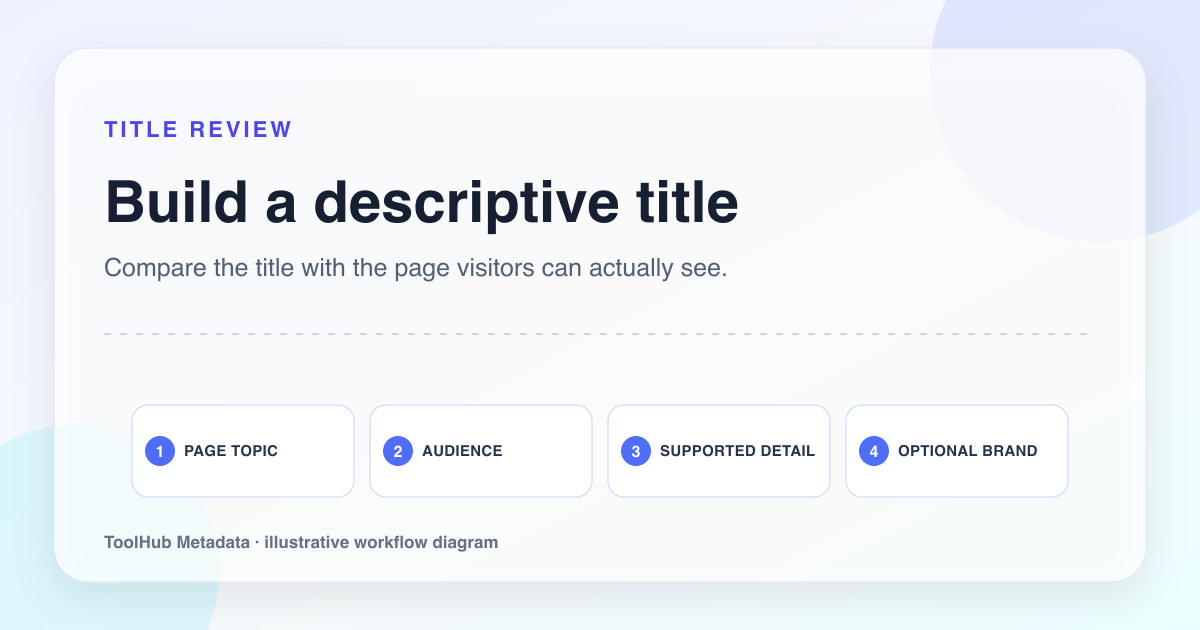
Title Tag Frameworks for Real Pages
A practical method for writing title tags that describe the page, qualify the audience, and avoid generic keyword stuffing.
Read guideA focused library for site owners, developers, and editors who need practical help with title tags, descriptions, canonical URLs, schema, internal links, and durable publishing quality.
These articles are not generic SEO definitions. Each one gives a workflow, review checklist, and page-level examples that connect back to the tool.
A practical method for writing title tags that describe the page, qualify the audience, and avoid generic keyword stuffing.
Read guide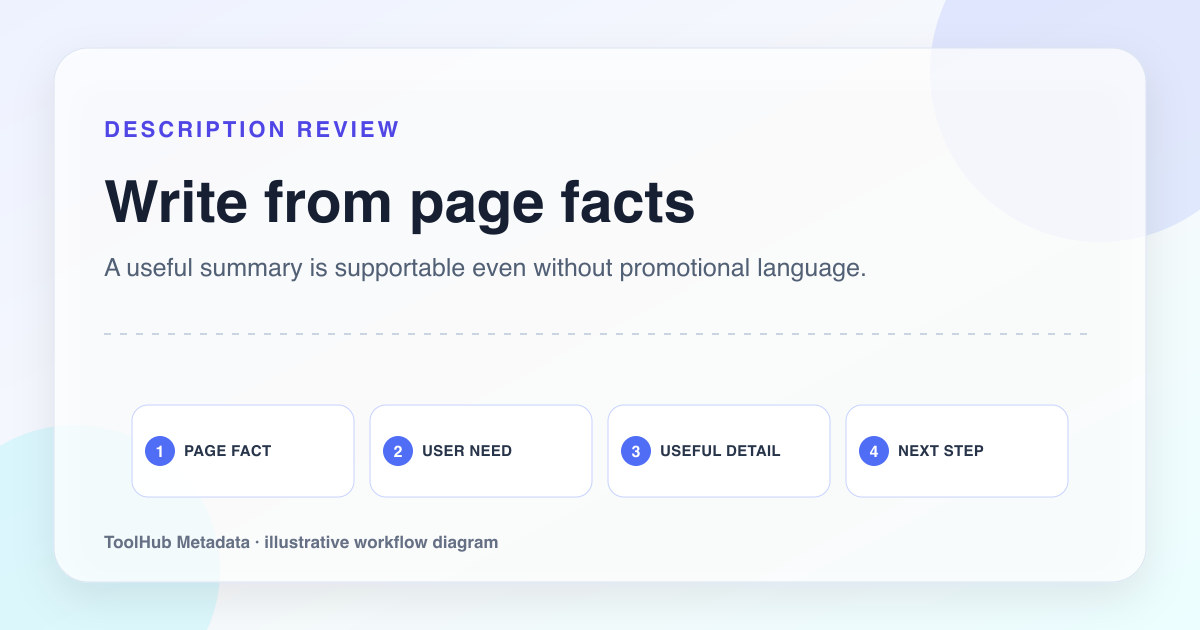
How to turn flat descriptions into search snippets that match intent, preview the page, and avoid unsupported promises.
Read guide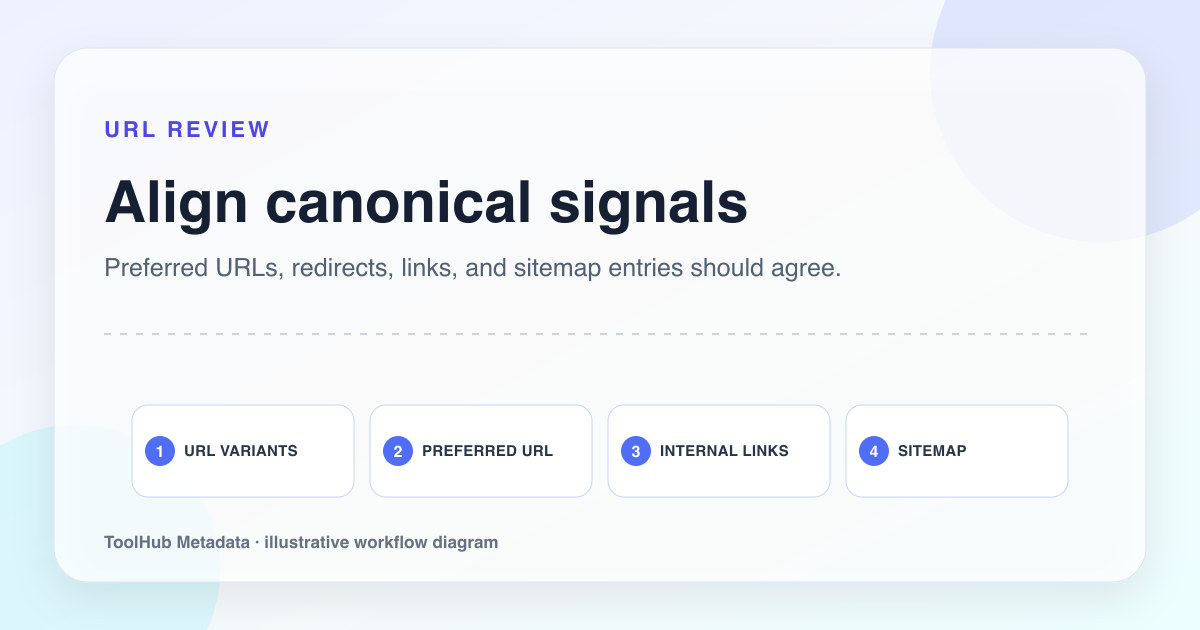
A practical canonical review workflow for preventing duplicate signals, confusing templates, and weak URL sprawl.
Read guide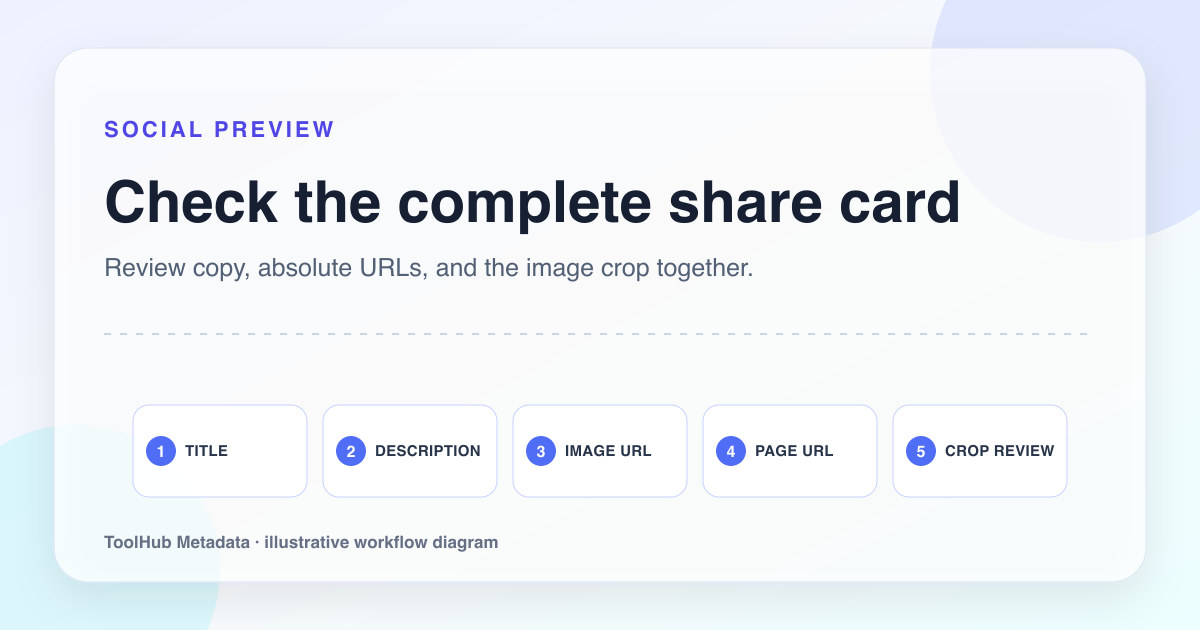
A field-tested checklist for social previews that use local assets, clear copy, and page-specific context.
Read guide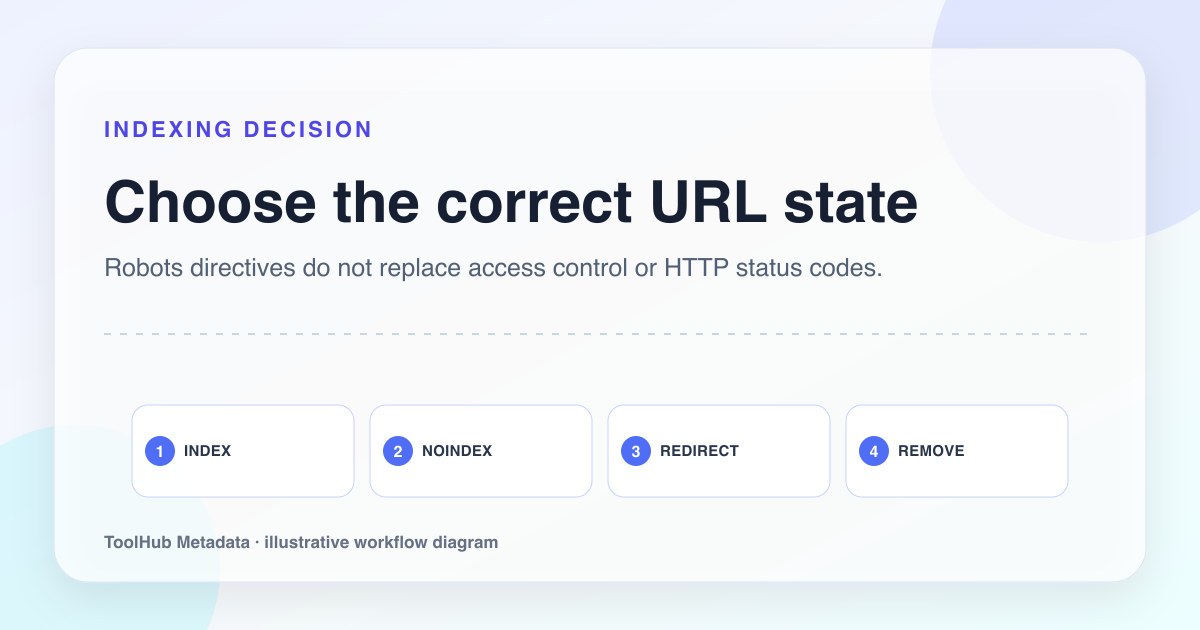
How to decide when a page should be indexable, noindexed, blocked, merged, or removed from public navigation.
Read guide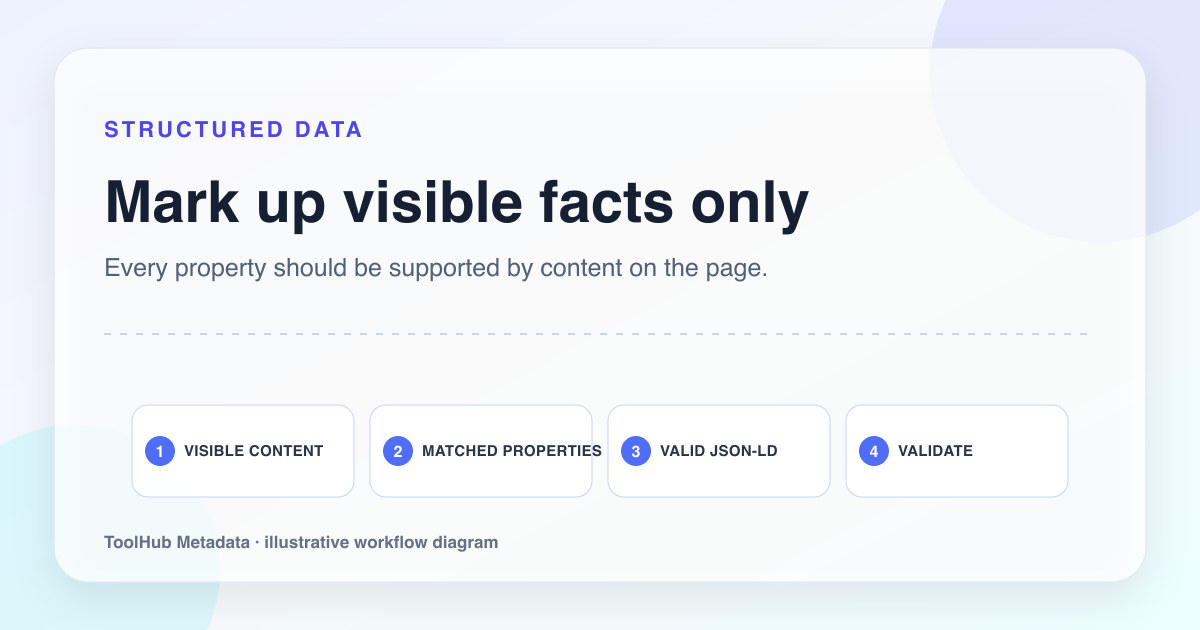
A practical guide to choosing structured data that accurately describes visible content instead of inventing eligibility signals.
Read guide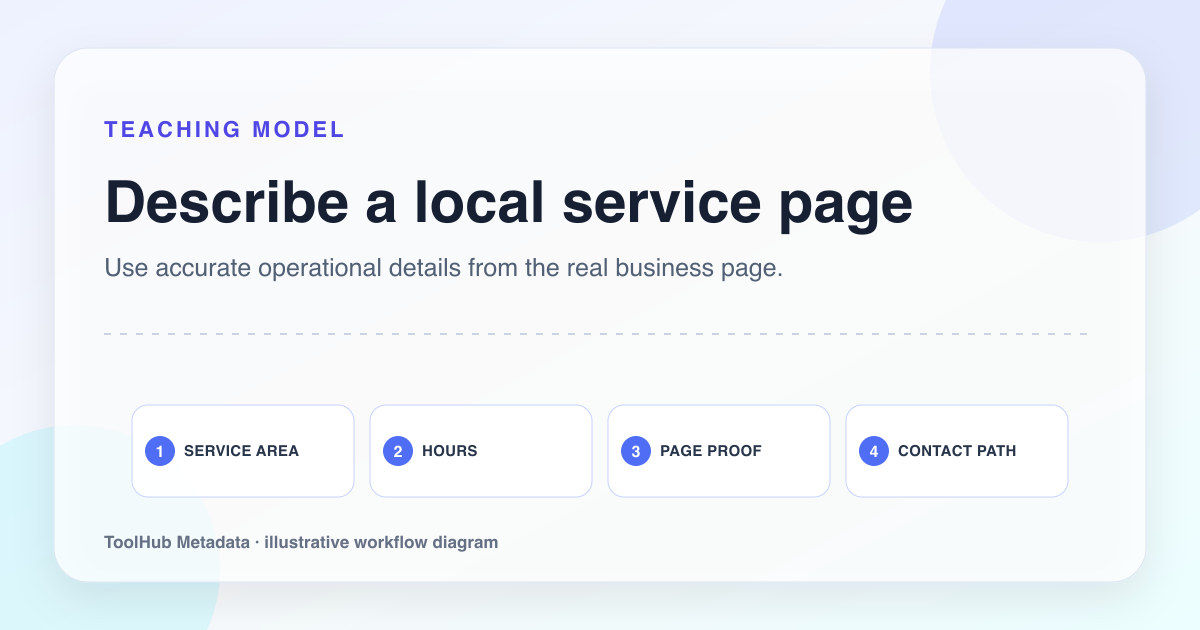
How to write local page metadata with real service coverage, proof, and location specificity instead of thin templates.
Read guide
How to write product titles, descriptions, social tags, and schema that help shoppers decide whether a product page is worth opening.
Read guide
A practical framework for SaaS titles, descriptions, social previews, and schema that communicate category, audience, and proof.
Read guide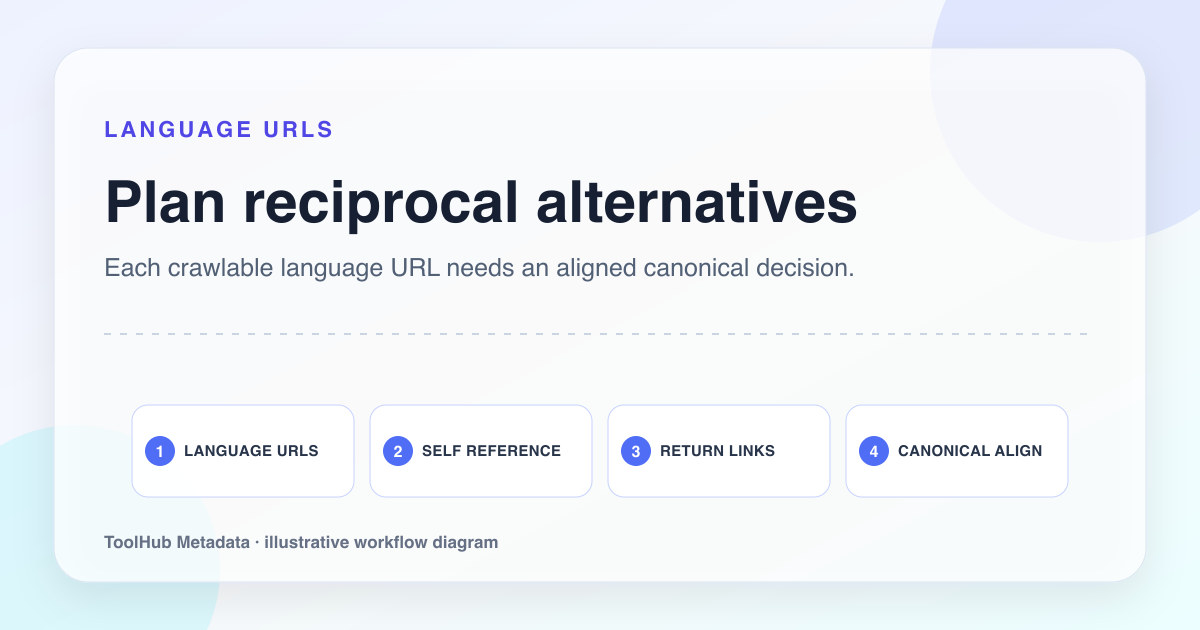
A practical way to decide when hreflang is worth implementing and how to avoid language-region mistakes.
Read guide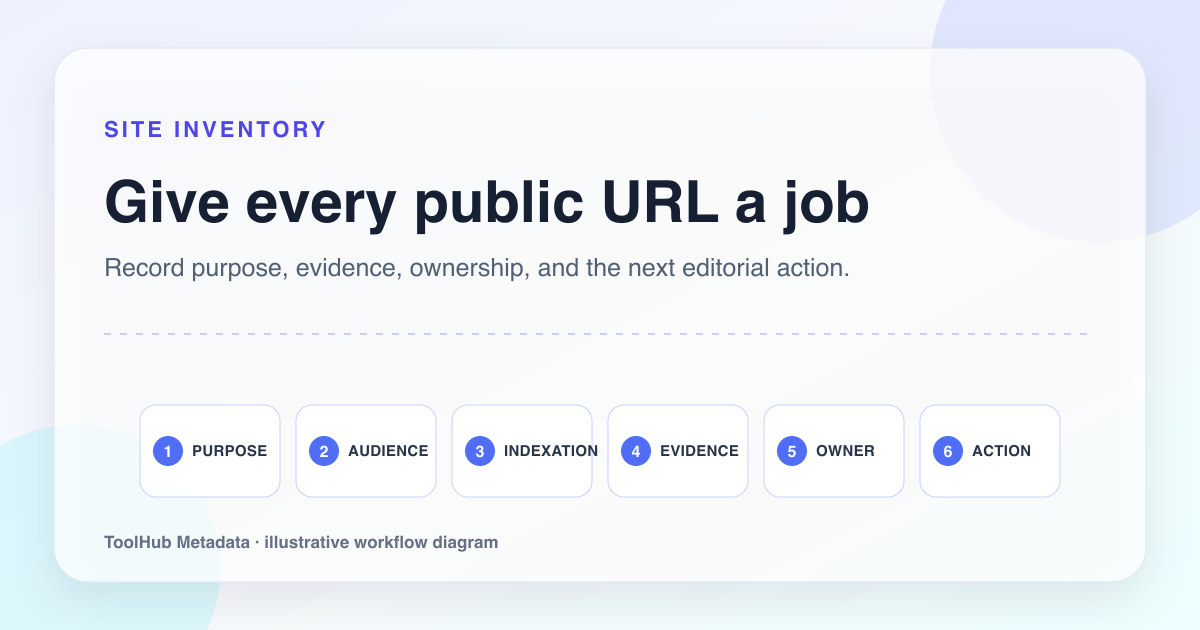
A practical inventory method for showing why every public URL exists, what original value it adds, and how it is maintained.
Read guide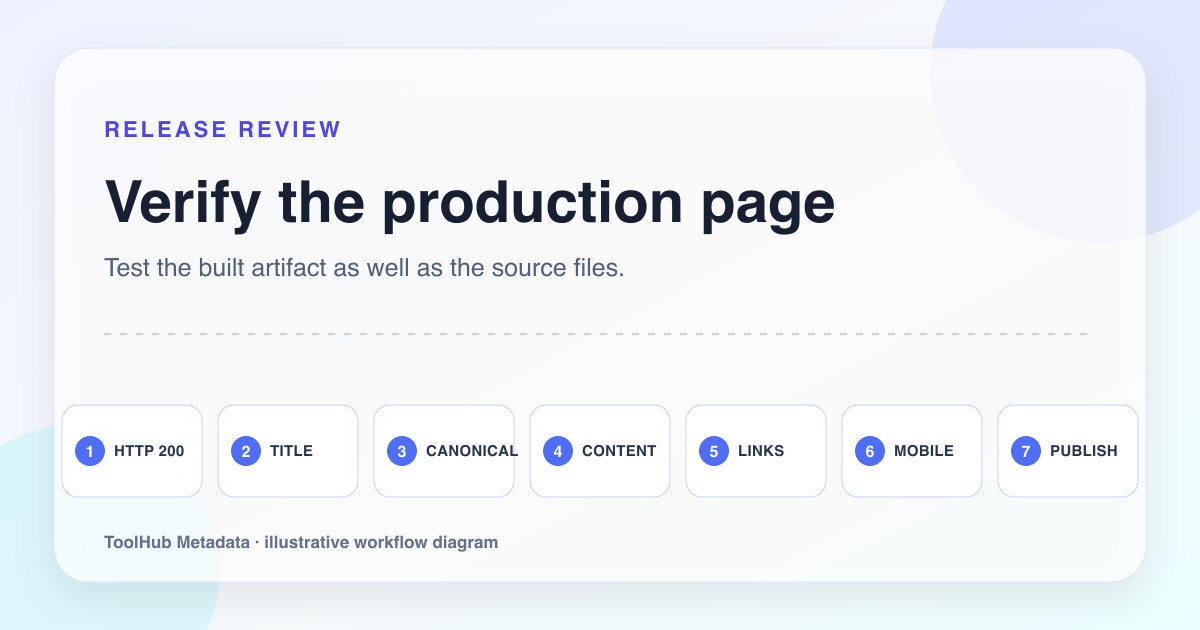
A pre-launch checklist covering metadata, status codes, canonical tags, structured data, internal links, assets, and accessibility.
Read guide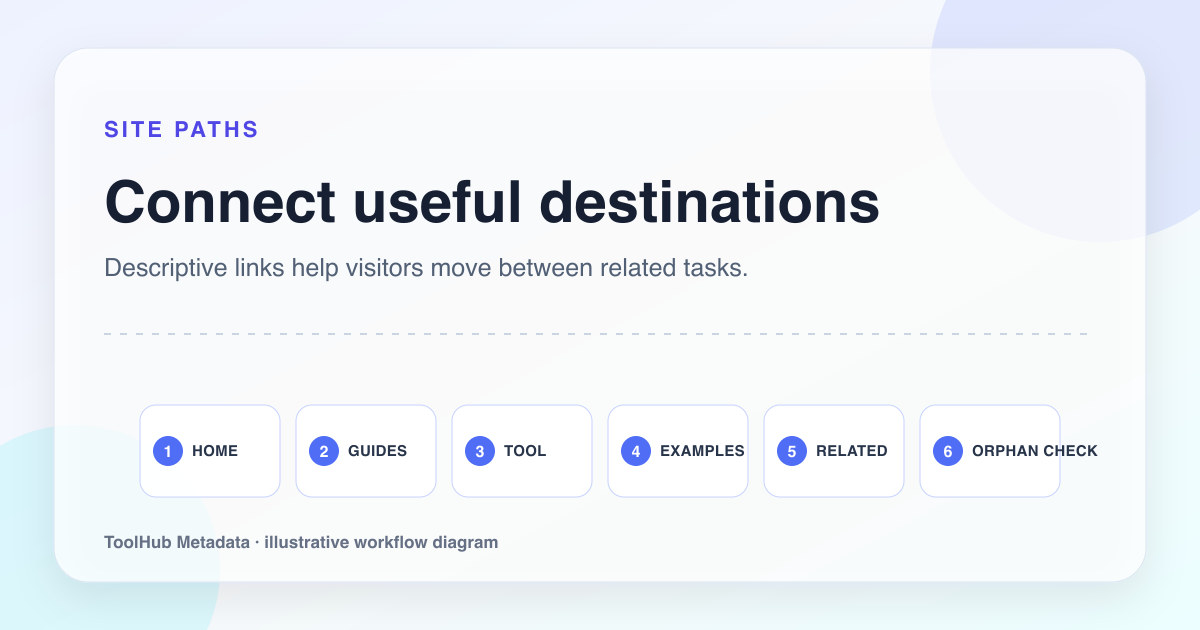
How a small tool-based site can use internal links to prove topic depth, guide users, and avoid orphan content.
Read guide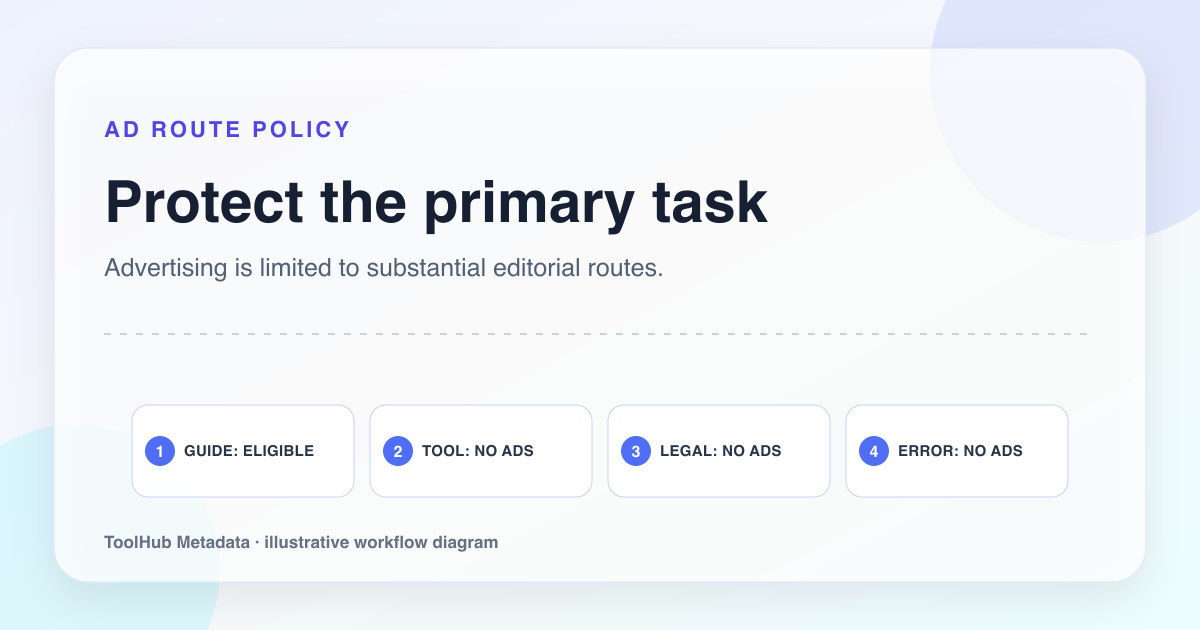
How to keep a browser-based tool useful while making advertising disclosures and placement choices reviewable.
Read guideThe fastest way to use these guides is to draft metadata, compare it against examples, then revise the output before publishing.